Home › Answered Needs › Exhausted and have no one to talk to
Exhausted and have no one to talk to
The post already drew its own line: not alone — just no room left for conversation.
If you are exhausted, have people, and would rather suffer quietly than take on the background noise, this is for you.
Alone, or no capacity?
“Not because you're all alone” is the distinction most people skip. Having people and having the bandwidth for them are not the same measurement.
Exhaustion shrinks what conversation costs. The people can still be real. The overwhelm can still be real. Preferring quiet in that state is not proof that nobody is there. It is a reading of capacity, taken honestly.
“Talking to people feels so overwhelming” names the load. Background noise is not a moral failing in the room. It is what a depleted nervous system hears when every thread of small talk still asks for energy that isn’t available.
Quiet as refuge, or quiet as isolation?
“Suffer quietly” can sound like loneliness winning. Sometimes it is. Sometimes quiet is the only place left that doesn’t charge a toll.
Refuge and isolation can look identical from the outside: a phone face-down, a night without replies. From the inside they are different. Refuge is choosing less input because the tank is empty. Isolation is the story that you have no one, or that you aren’t worth knowing. The post already refused that story. The people are there. The capacity is not.
From the book
How you interact with yourself is how you’re going to interact with other people.
Noticing that conversation costs more than you have tonight is interacting with yourself. Performing the conversation anyway, when the body has already said no, is a different move — closer to fitting in than to being known.
Many people think being a relational Chameleon is how to fit in, how to make friends, or how to solve loneliness. Actually, it’s the opposite.
Forcing the social shape when you are empty is the chameleon move. Preferring quiet while exhausted is closer to having a preference you are loyal to. Those are not the same path out of loneliness, and they are not the same path into it either.
Going deeper
The book opens on the fork:
If loneliness is a choice, so is intimacy.
And names what loneliness tries to sell:
I named this book the way I did because loneliness tries to tell many people, “You are alone because you aren’t worth knowing, and there’s nothing you can do to change it.” These are lies this book removes.
Exhaustion can leave you with no one to talk to for an evening without making you alone. Quiet can be refuge without becoming the lie that you aren’t worth knowing. The people can stay real. The bandwidth can come back. Those are not the same problem, and the body is allowed to tell them apart.
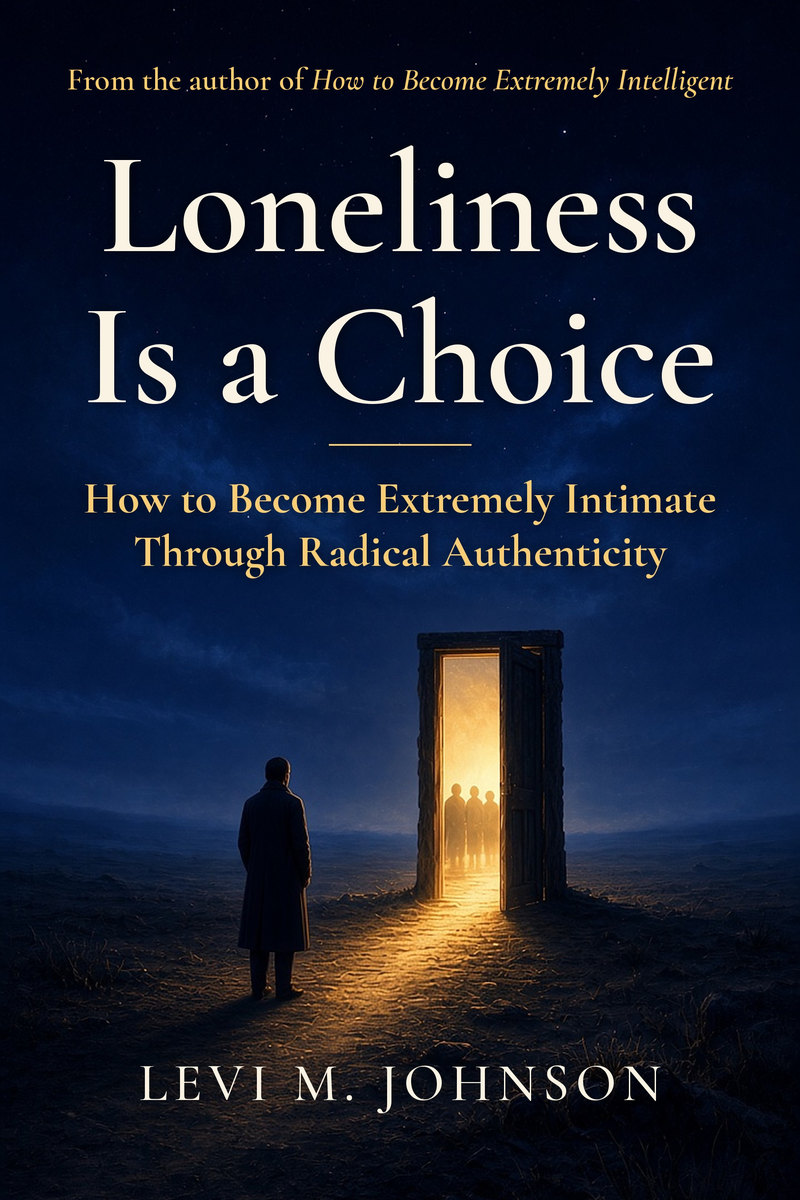
If one distinction helped, the book stays with radical authenticity, noticing yourself so you can notice other people, and the habits that turn proximity into intimacy: Loneliness Is a Choice · Amazon → · Buy the ebook with Bitcoin (Lightning) → · Browse the books →
This page is part of answered needs at FikaTimeBooks.com — real questions, real answers, no squeeze.
Trade your email for the Introduction and Chapter 1 of the book you choose.
You'll receive the Introduction and Chapter 1 of the book you choose, plus occasional emails from FikaTimeBooks.com. Unsubscribe anytime. We never share your email.
Also on loneliness: No stream today is the right call · I study burnout and I’m burning out · Being a people pleaser is a form of self-neglect · More in Loneliness: Granular Insights