Home › Answered Needs › Having my voice taken from me and used against me
Having my voice taken from me and used against me
“like, this shit's just for me. it always has been and always will be. i want to be able to express hurt without fearing that it will drive away those who could only bear witness. i want to know that i can share my disappointment without it being seen as a request for an alternate outcome.”
“if i've been silent, it's because I'm busy building myself back up where i'm able to play freely and loudly in my feelings, and that hasn't been the case here for quite some time. i do miss the homies but keeping my joy alive has required stepping back from the things that i love.
✌️🐱”
Three posts, sent in the same second. The first names a wound: a voice “taken from me and used against me,” and then “feeling punished by others for conveying my internal experiences.” The second names what they want instead. The third explains a silence.
The middle post holds the clearest sentence of the three: “i want to know that i can share my disappointment without it being seen as a request for an alternate outcome.”
That sentence is already a finer distinction. It separates two things that the people around someone who is hurting often hear as one.
Sharing hurt is not the same as asking for a different outcome
When someone says they are hurt, listeners often hear a request: for a change, a fix, a retraction, an apology. When they can’t give it, the hurt starts to sound like an accusation, and they push back. Either way, a feeling that was simply being said turns into a negotiation, and the person who said it ends up punished for having said it.
The post asks for something smaller and rarer: to say it and have it land as what it is. Disappointment, told. Not a bill, not a demand, not a verdict on anyone.
In Loneliness Is a Choice, Levi M. Johnson draws the same line:
Feelings aren’t necessarily first concerned with what’s true or not. They are concerned with being valued as they are, whether or not what’s causing them is true or logical or not.
And elsewhere in the same book:
Your emotions and feelings respond to how well you honor them, and when I say honor them, I don’t mean act on them.
Honoring a feeling and acting on it are two different things. So are hearing someone’s disappointment and changing the outcome. The first is always within reach of the people listening, even when the second isn’t.
That is what “those who could only bear witness” means. Some people can’t change anything that happened. The post doesn’t ask them to. Witness was the whole request, and it is a complete one. Johnson again:
But feelings are more or less able to let go after they’ve been validated, that is, valued and felt, as they are.
A feeling heard as a demand doesn’t get felt as it is. It gets argued with. A feeling that is witnessed is free to move.
“this shit's just for me,” the second post begins. “it always has been and always will be.” The work and the feelings in it belong to the one who made them. And the wording of the wound is exact: a voice “taken from me.” Only something that was yours can be taken from you.
Stepping back is not the same as losing your voice
The first post says the wound “made me stop wanting to express anything.” The third post says something that sits differently: “if i've been silent, it's because I'm busy building myself back up where i'm able to play freely and loudly in my feelings.”
From outside, both look like silence. They are not the same silence. One is a voice gone out. The other is a voice being rebuilt somewhere safe enough to be loud again. The third post is written in the present tense: busy building.
“Play freely and loudly in my feelings” is not how someone talks whose voice is gone. It is how someone talks who remembers exactly what their voice sounds like at full volume.
Johnson describes the same rebuilding from his own life:
Or, even earlier in life, many people are in some sense talked out of believing in themselves, their own boundaries, emotions, values, and perspectives. Rediscovering these is a process that I personally went through for many years, and even to this day, it’s the process of personal recovery.
“Talked out of” is one way a voice goes quiet. Having it taken and turned against you is a harsher one. In both, what went quiet was real. Johnson calls the way back a process, and the third post sounds like someone in the middle of one.
Stepping back from the things you love to keep your joy alive has a cost, and the post counts it: “i do miss the homies.” Missing them sits right next to the stepping back. Both are true at once.
Neighboring pages here: Wanting to be heard, yet afraid to speak up, My voice is stupid and rote, and Throwing stuff out into the void and nobody is seeing it
Going deeper
Loneliness Is a Choice, by Levi M. Johnson, is about being known as you really are, and about the people who can hold that without flinching. In it he describes them in one line:
…the more authentic you are with yourself, the more you can bring your authenticity into your relationships with people who want to know you without changing or fixing you, and build a beautiful way of interacting with one another.
That is the kind of company the post is asking for when it names “those who could only bear witness.” Sharing hurt is not the same as asking for a different outcome. Stepping back is not the same as losing your voice. Both distinctions were already inside three posts written in the same second.
If one distinction helped, the book goes further into feelings, voice, and being known: Loneliness Is a Choice · Amazon → · Buy the ebook with Bitcoin (Lightning) → · Browse the books →
This page is part of answered needs at FikaTimeBooks.com — real questions, real answers, no squeeze.
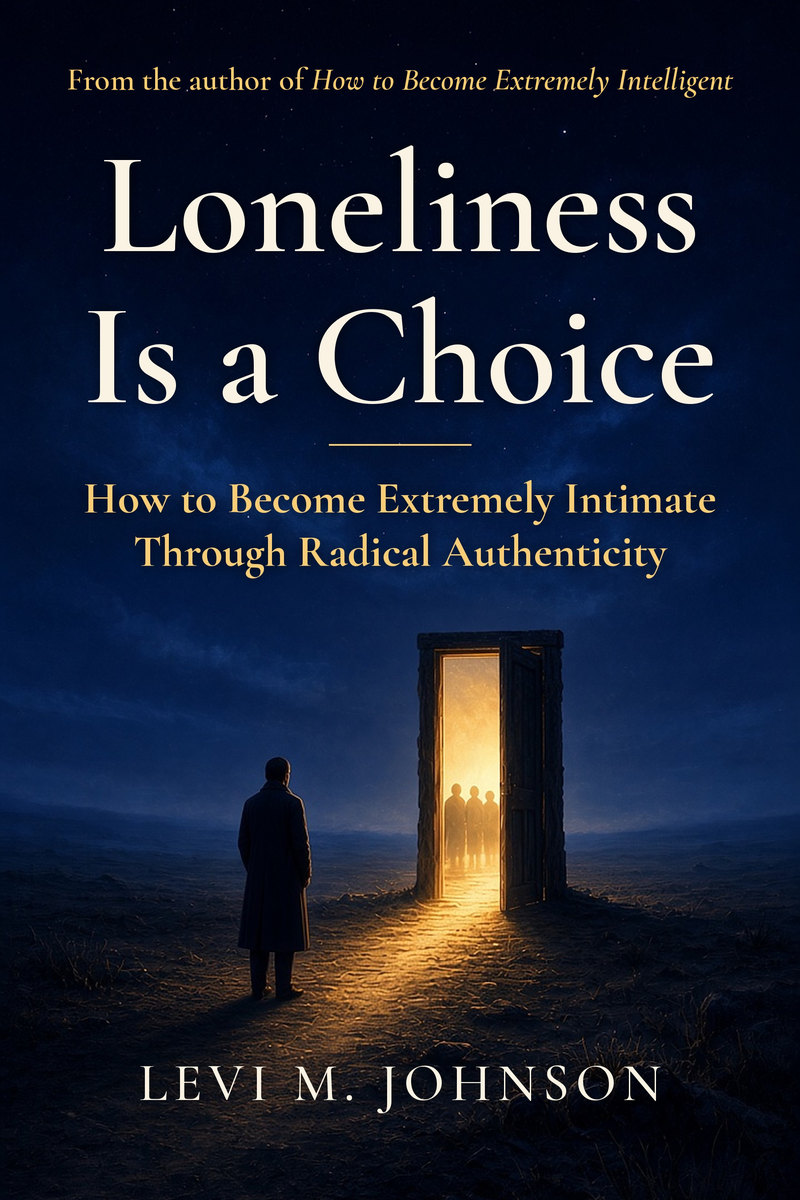
Trade your email for the Introduction and Chapter 1 of the book you choose.
You'll receive the Introduction and Chapter 1 of the book you choose, plus occasional emails from FikaTimeBooks.com. Unsubscribe anytime. We never share your email.
Also on loneliness: Wanting to be heard, yet afraid to speak up · My voice is stupid and rote · Throwing stuff out into the void and nobody is seeing it · More in Loneliness: Granular Insights