Home › Answered Needs › For years, work was my purpose
For years, work was my purpose
I have been struggling with accepting the reality of constant rejection and how for years work was my purpose and never had a chance to build my own purpose other than providing.
Got hit yesterday with another emotional issue that has me further down the hole of shame and guilt, I am trying hard to not take it personal but it’s not easy.
Don’t know what to do and can’t see a lot hope. It’s fucking tough just trying to stay positive right now.
I am not alone in this but it sure feels like it.”
A few years without full-time work. A few months that have been really hard. And then, yesterday, one more thing.
The post doesn’t tidy any of it up. It even says, plainly, the part that isn’t working: “I am trying hard to not take it personal but it’s not easy.”
Two pairs of things in it are easy to hear as one.
The reality of rejection is not the verdict of rejection
“Accepting the reality of constant rejection” is a hard sentence to write. It names something real. Whatever form the noes took, they happened, and they kept happening.
But every no carries two things at once. One is a fact: this did not work out. The other is a message that seems to ride along with it, and it sounds like a judgment about the person who heard it. The first is the reality the post is struggling to accept. The second is what trying “to not take it personal” is up against.
In Abundance, Levi M. Johnson draws a line between those two kinds of things:
Facts are about concrete reality and truth is about the non-concrete, immaterial world.
And a little further on:
someone who acknowledges and accepts facts doesn't have to be limited by those facts.
The rejections are facts. What they mean about the one rejected is not a fact of the same kind. It doesn’t come attached to the no. It gets added afterwards, usually in a voice that sounds a lot like shame. Johnson describes that voice in Loneliness Is a Choice:
In my experience, shame feels like the death of a desert trying to kill my soul, my emotions, my being, and my identity. “You’re not worthy. You don’t deserve to be loved. You’re not good enough.”
That is the voice that lives at the bottom of “the hole of shame and guilt.” It speaks in verdicts. But a stack of noes, however tall, is still a stack of facts about what happened. It is not a finding about what someone is worth.
Johnson knows that stack from the inside. In Reality Is Your Friend he writes:
For instance, as embarrassing as it is to admit, I’ve been fired or laid off about 20 times.
About twenty times is a lot of facts. In his story, they did not turn out to be a verdict.
Never having had a chance is not the same as being unable
The sentence at the center of the post is this one: “for years work was my purpose and never had a chance to build my own purpose other than providing.”
It could be heard as an admission of emptiness, as if, with the work gone, there is nothing underneath. That is not what the words say. They say there was never a chance. That is a statement about years, and room, and what the days were full of. It is not a statement about what this person is able to build.
And what filled those years was not nothing. Providing is always providing for someone. A purpose pointed outward and kept up for years is already a purpose. What the post grieves is that it was the only one there was ever room for.
Johnson’s own next sentence, after those twenty or so firings and layoffs, is about something built later:
I’ve since opted for a career path that aligns with my temperament, which is business and authoring books, and in this context I’ve met with success.
That path came after the jobs, not during them. Not having had the chance is a fact about the past, the same kind of fact as the noes.
“It sure feels like it”
The post ends with a sentence that holds two things side by side: “I am not alone in this but it sure feels like it.”
Both halves are true at once. Knowing and feeling are different things, and the feeling is honest without needing to be argued with. It is also true that the sentence was read, and that it was heard.
Others have written about neighboring aches here: I feel rejected even though no one’s rejected me, It feels like I missed the boat to a good life, and Punished with extra work for being dependable.
Going deeper
“Accepting the reality” is the phrase the whole post turns on. Reality Is Your Friend is the book those twenty or so firings and layoffs come from, and where Johnson tells how his own way of seeing began:
I had started to form a simple way to distinguish between what was real and what was not real.
The reality of rejection is not its verdict. Never having had a chance is not the same as being unable. Both are ways of telling apart what happened from what it seems to say.
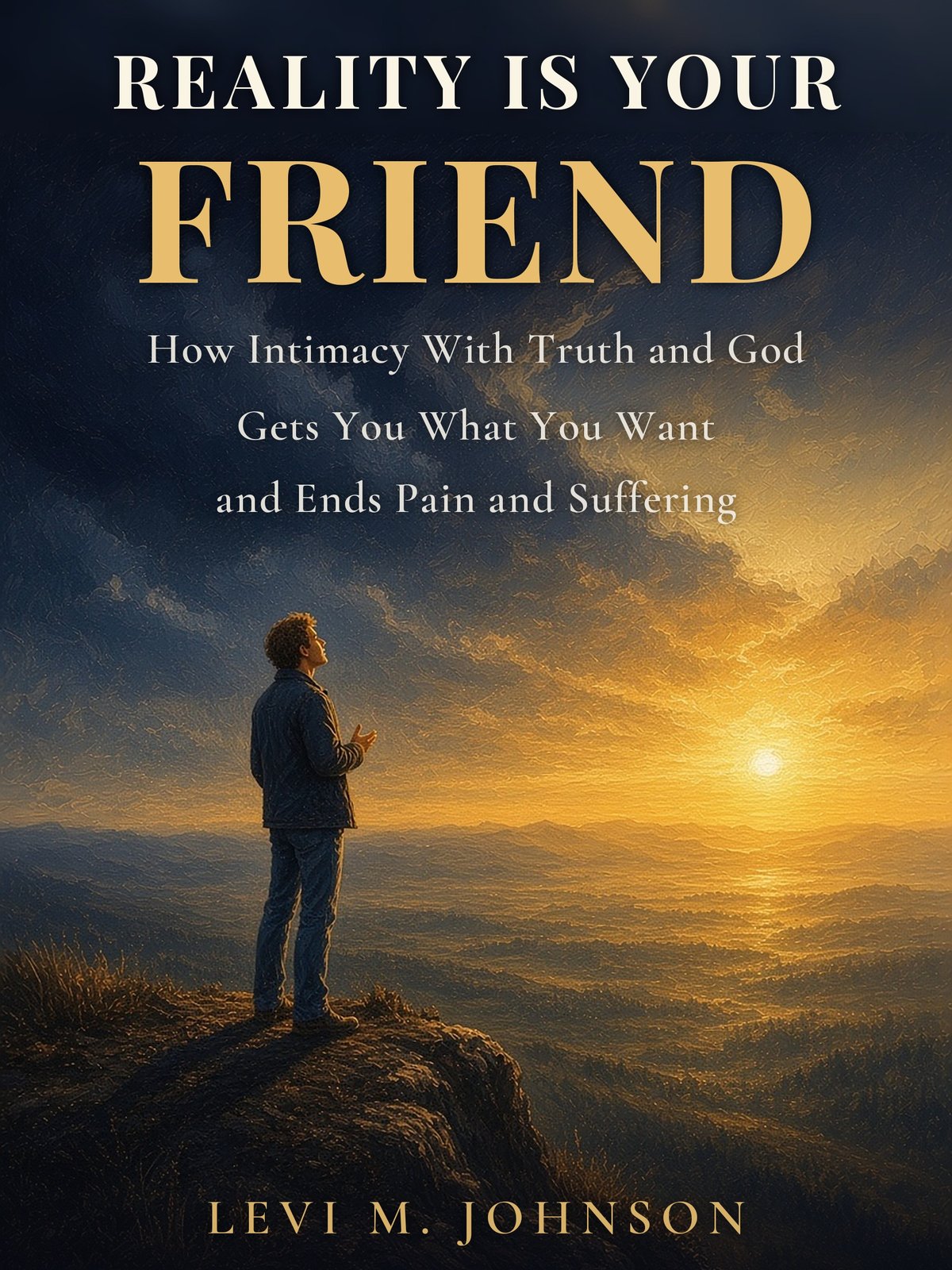
If one distinction helped, the book goes further into telling what is real from what only seems to be: Reality Is Your Friend · Amazon → · Buy the ebook with Bitcoin (Lightning) → · Browse the books →
This page is part of answered needs at FikaTimeBooks.com — real questions, real answers, no squeeze.
Trade your email for the Introduction and Chapter 1 of the book you choose.
You'll receive the Introduction and Chapter 1 of the book you choose, plus occasional emails from FikaTimeBooks.com. Unsubscribe anytime. We never share your email.
Also on truth: I feel rejected even though no one's rejected me · It feels like I missed the boat to a good life · Punished with extra work for being dependable · More in Truth: Granular Insights