Home › Answered Needs › Isn't it crazy how afraid we are of being wrong?
Isn't it crazy how afraid we are of being wrong?
“Isn't it crazy how afraid we are of being wrong that we will challenge anyone who calls us out? I was playing F14, and ive had a couple drinks. I wasnt paying attention, and someone called me out for it. It was my fault, but I was so angry I was called out that I made it someone else's problem.”
“Thats not right, of course. Im under the influence of alcohol, so i can admit i was wrong. But we are so easy to think anyone else is wrong besides us. I know i made the mistake. I wasnt paying close attention. But I didnt want to accept the blame.”
“I can accept the blame and ridicul now. I understand that I fucked up. I wish I didnt but that Is what happened.”
It starts as a question for all of us, “Isn’t it crazy how afraid we are of being wrong,” and then, in the very next breath, he tells on himself: a game, a couple of drinks, a moment of not paying attention, someone who noticed, and an anger big enough that “I made it someone else’s problem.”
Then he keeps going. “Thats not right, of course.” “I know i made the mistake.” And at the end, four plain words that can be some of the hardest to say: “that Is what happened.”
Three posts, and in them a whole turn, from defending to admitting, made in public, on his own account. The thing he says we are all so afraid of, he did out in the open.
If you have ever snapped at the person who caught your mistake, and then sat with the strange heat of it afterward, this is for you. Two things in his thread usually travel as one. They come apart.
Accepting the blame is not the same as accepting the ridicule
Look at how his last post puts them: “the blame and ridicul.” One phrase, two different things.
The blame, in the plain sense he means it, is just an accurate account of a moment. “I wasnt paying close attention.” That is a fact about a few seconds of a game. It is small, it is true, and it does not say anything about who he is.
Ridicule is something else. It is not an account of what happened. It is a verdict on the person, a little contempt that rides in on the back of the fact. And because the two so often arrive together, they start to feel like one thing.
When they feel like one thing, there is only one way to refuse the contempt: refuse the fact. That is exactly the move he describes. “I was so angry I was called out that I made it someone else’s problem.” Not angry that he had been inattentive. Angry at being called out. The anger was a guard, and what it was guarding against was never the small truth. It was the verdict he expected to come with it.
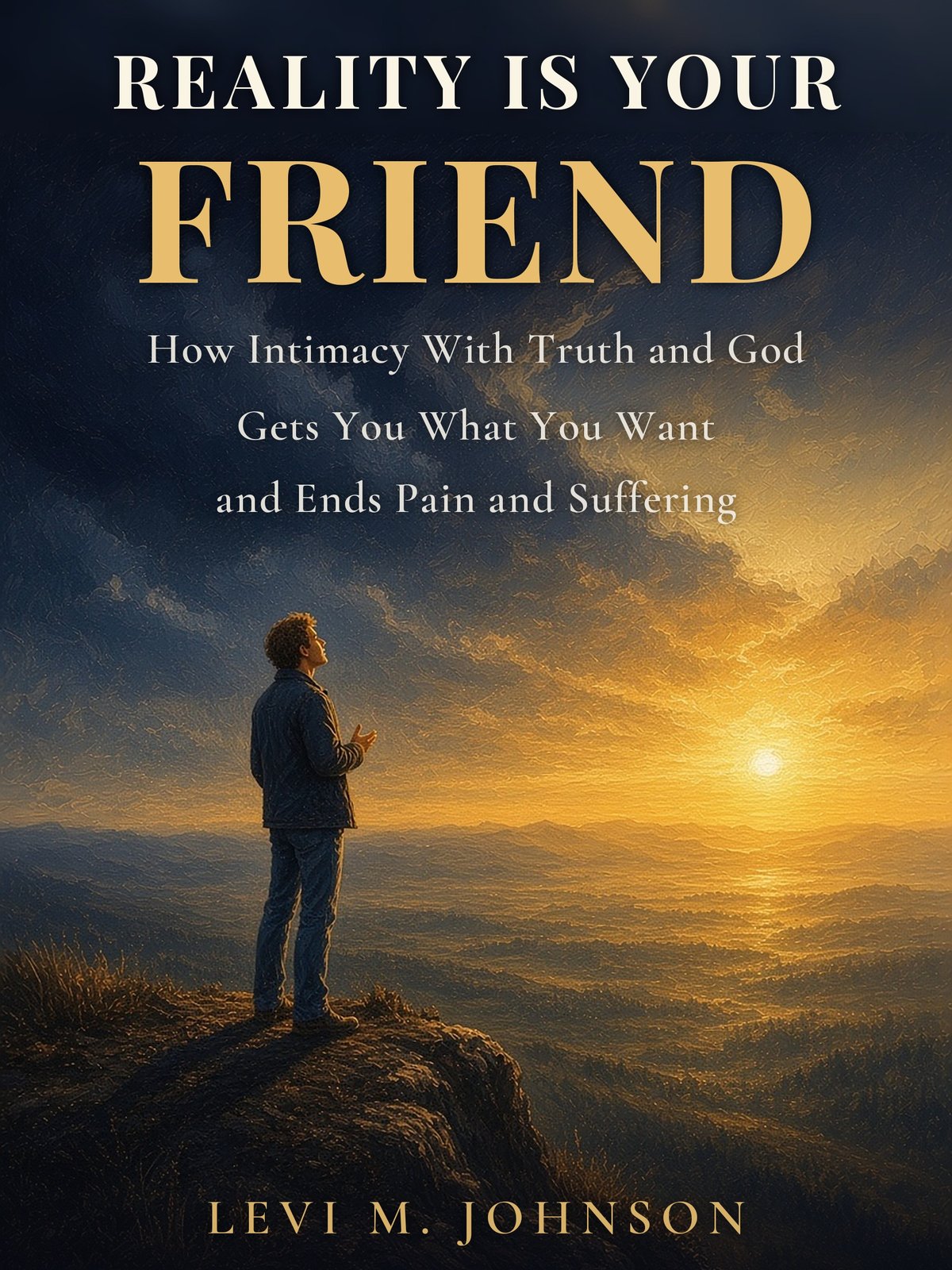
In Reality Is Your Friend, describing what good relationships give people, Levi M. Johnson lists the two separately:
Success in relationships looks like genuine connection which leaves those people feeling a strong sense of belonging and acceptance, a genuine feeling of being known and seen, a safe place to admit mistakes without being punished or shamed or judged, and in which the people involved can turn to one another for the meeting of needs and wants that are realistic.
“A safe place to admit mistakes without being punished or shamed or judged.” Admitting is one thing; being shamed is another. A place can have the first without the second. Most of us have not spent much time in places like that, and the middle of a game is rarely one of them. So the fear of being wrong is usually not fear of the fact at all. Being wrong about whether you were paying attention costs almost nothing. What it costs is what we imagine being wrong will make us, in someone else’s eyes.
He also noticed what loosened it: “Im under the influence of alcohol, so i can admit i was wrong.” Something lowered the guard. And what was standing behind it, once it was down, was not a terrible truth. It was “I wasnt paying close attention.” The guard was far bigger than the thing it was guarding.
Wishing it hadn’t happened is not the same as pretending it didn’t
“I wish I didnt but that Is what happened.”
Both halves stay. He does not pretend not to mind. The wish is still there, out loud. It just sits beside the fact now, instead of in its place.
That is the difference between the first post and the last. Making it someone else’s problem is the wish winning: rewriting what happened so that, at least on the surface, he wasn’t the one who slipped. Saying “that Is what happened” is the wish losing gracefully, and the man still standing.
Levi passes on a line from Stephen R. Covey that names the move he caught himself making:
In The 7 Habits of Highly Effective People, Stephen R. Covey taught us that if you have the thought that the problem is out there, that thought is the problem.
He caught it inside the same thread. “But we are so easy to think anyone else is wrong besides us.” Notice the word “we.” He doesn’t write about other people who do this. He includes himself, and he includes the rest of us, and he is right to.
Levi describes the kind of person who can do what he did in that last post:
People who love reality ask, “What exists?” And they are open to the answer. They are observant and mindful. They notice what exists. They are willing to know where they have been wrong, mistaken, and ignorant.
Willing to know is not the same as unafraid. His thread opens with the fear, named plainly, and the willingness shows up anyway. That is usually how it goes: not the absence of the heat, but the fact getting said while the heat is still there.
Neighboring pages here: There is no such thing as ‘My Truth’?, Clear, direct, and yet not an ass: how do we do that?, and Constantly yelling at myself in my head.
Going deeper
Reality Is Your Friend, by Levi M. Johnson, is about facing what is real and finding that it frees rather than crushes, including the small, embarrassing realities of our own mistakes. It treats mistakes as feedback rather than verdicts:
You are able to fail, then reassess, then fail better until your failure is so effective at bringing desired results that it stops being failure and crosses the line into success as defined by competent, trustworthy people.
As Niels Bohr said, an expert is someone who has made all the mistakes necessary in a narrow field.
Accepting the blame is not the same as accepting the ridicule. Wishing it hadn’t happened is not the same as pretending it didn’t. Both were already in a thread that began “Isn’t it crazy how afraid we are of being wrong” and ended with a man telling the truth about a few seconds of a game.
If one distinction helped, the book goes further into humility, mistakes, and what is most real: Reality Is Your Friend · Amazon → · Buy the ebook with Bitcoin (Lightning) → · Browse the books →
This page is part of answered needs at FikaTimeBooks.com — real questions, real answers, no squeeze.
Trade your email for the Introduction and Chapter 1 of the book you choose.
You'll receive the Introduction and Chapter 1 of the book you choose, plus occasional emails from FikaTimeBooks.com. Unsubscribe anytime. We never share your email.
Also on truth: There is no such thing as ‘My Truth’? · Clear, direct, and yet not an ass: how do we do that? · Constantly yelling at myself in my head · More in Truth: Granular Insights