Home › Answered Needs › First holiday no contact with my mom and dad, and I miss them
First holiday no contact with my mom and dad, and I miss them
Fuck dude. 😅🥲
Miss em even if it's for my own protection and well being at this point.
Happy Thanksgiving guys for all you Americans.”
Four short paragraphs, written the night before Thanksgiving. A first holiday, a decision already made, a feeling that showed up anyway, and then, at the very end, a kindness: “Happy Thanksgiving guys for all you Americans.”
The first paragraph is where it turns: “I thought I was pretty good but..” Two dots, and then the only words that fit, with a nervous laugh and a held-back tear beside them.
Then the line that carries the whole post: “Miss em even if it's for my own protection and well being at this point.”
That “even if” holds two things that feel like they should cancel each other out. They don’t.
Missing them is not the same as being wrong to leave
The “even if” makes it sound as though missing them argues against the decision, as though a right choice should feel clean, and a holiday ache is evidence of a mistake.
But missing someone is a statement about what was there. It isn’t a verdict on whether staying was safe. A person can miss a mother and a father and know, with the same clarity, why the door is closed. The ache and the reason sit in the same body on the same night, and neither one erases the other.
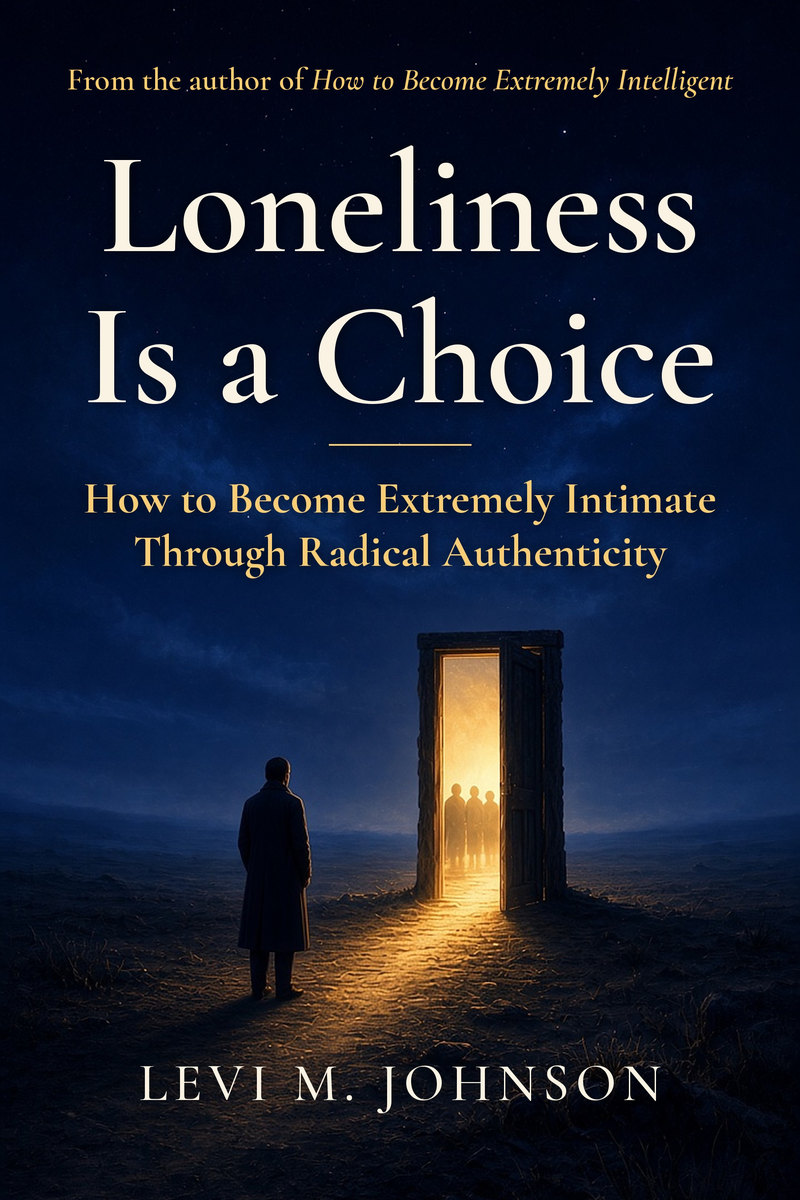
In Loneliness Is a Choice, Levi M. Johnson writes about leaving a toxic relationship behind when he moved from South Korea to teach in China, and mostly spending time alone there:
It was better for me to be alone than to stay in the unhealthy relationship. Leaving that relationship was, inadvertently, part of my self-loving action.
Better is not the same as painless. He was alone, and it was better. The post says something close: no contact, it hurts, and it is “for my own protection and well being.”
Johnson names a similar confusion around forgiveness:
I think many people conflate forgiving someone with also inviting them back into your life.
Missing works the same way. Missing someone and inviting them back are two different acts. One is a feeling that arrives on its own, often on a holiday, often unannounced. The other is a decision. The post describes the first and leaves the second exactly where it was.
Keeping distance is not the same as not loving them
“No contact” can sound, from the outside, like the end of caring. The post says otherwise. Nobody misses people they have stopped caring about. The missing is the love, still there, with nowhere to go tonight.
Distance kept “for my own protection” is about what the relationship does, not about what the heart feels. Those two can point in opposite directions for a long time. Holidays are when the difference gets loud, because the day itself is built around a table with family at it, and the empty places at that table get felt whether anyone invites the feeling or not.
“I thought I was pretty good” is probably still true. Being pretty good and missing them on the first holiday are not opposites either. The first one of anything is the one that finds the rooms not yet walked through.
And with all of that in the same post, they still turned outward and wished everyone else a happy Thanksgiving.
Neighboring pages here: Setting boundaries comes with risk, and grief, First Thanksgiving without my dad, and I feel guilty for being excited, and Doing better in general, and sobbing on the couch tonight
Going deeper
Loneliness Is a Choice, by Levi M. Johnson, is about the distance between people: the distance that hurts, the distance that protects, and the honest words that make closeness safe where it can be. It holds both passages above, and a plain sentence about what boundaries are for:
Fundamentally, your boundaries keep the bad out and let the good in.
Missing them is not the same as being wrong to leave. Keeping distance is not the same as not loving them. Both distinctions were already inside four short paragraphs written the night before Thanksgiving.
If one distinction helped, the book goes further into boundaries, forgiveness, and relationships where the good can get in: Loneliness Is a Choice · Amazon → · Buy the ebook with Bitcoin (Lightning) → · Browse the books →
This page is part of answered needs at FikaTimeBooks.com — real questions, real answers, no squeeze.
Trade your email for the Introduction and Chapter 1 of the book you choose.
You'll receive the Introduction and Chapter 1 of the book you choose, plus occasional emails from FikaTimeBooks.com. Unsubscribe anytime. We never share your email.
Also on loneliness: Setting boundaries comes with risk, and grief · First Thanksgiving without my dad, and I feel guilty for being excited · Doing better in general, and sobbing on the couch tonight · More in Loneliness: Granular Insights · More in Grief: Granular Insights