Home › Answered Needs › Thought I heard my cat, and grief hit me like a truck
Thought I heard my cat, and grief hit me like a truck
Was just in the kitchen getting a cup of tea and something made a noise that sounded a bit like a meow so of course my brain instinctively went “Kisy cat wants me” in the split second it took before I remembered and grief hit me like a truck. Hahahaha I’m FINE 😭😭😭”
An ordinary moment: a kitchen, a cup of tea, a noise. Then a split second. The noise “sounded a bit like a meow,” and before anything else could happen, the thought was already there: “Kisy cat wants me.”
Then the remembering. And then, in their words, “grief hit me like a truck.”
The post files the whole thing under two words at the top, with an upside-down smile: “Brains are mean.” Half a joke, and exactly what that split second feels like. Ambushed by your own head, in your own kitchen, over tea.
Two things are folded together in that moment. Pulling them apart doesn’t make the truck any smaller. It may change what the truck is carrying.
A brain that is mean is not the same as a brain that remembers
“So of course my brain instinctively went.” Of course. The post already knows why. That reflex wasn’t invented this morning. Somewhere in years of ordinary days, a meow came to mean one thing: Kisy wants me. The brain learned it so well that it answered before the news could catch up.
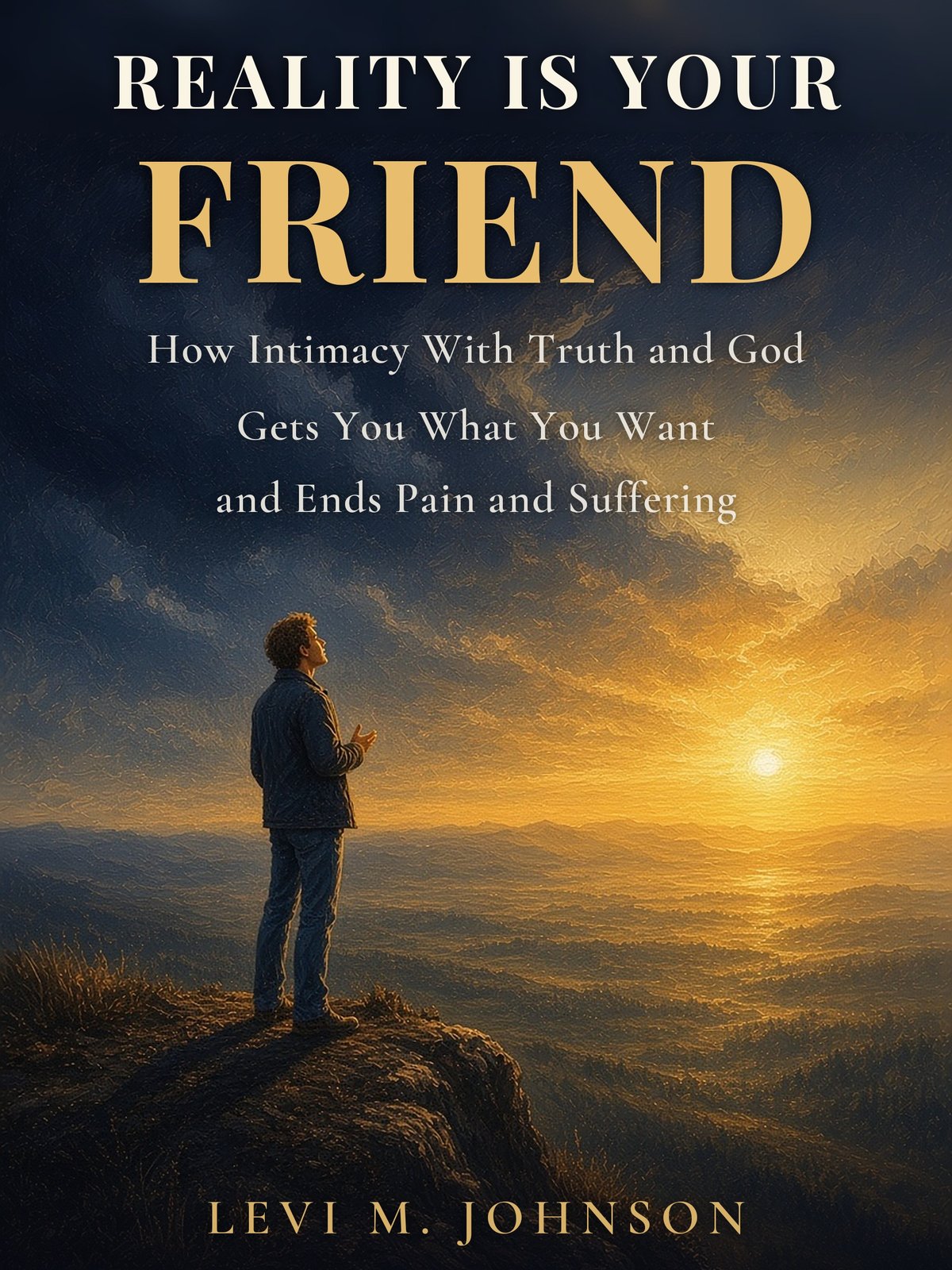
In Reality Is Your Friend, Levi M. Johnson writes:
Our brains store all the images, smells, words, and any other sensory and emotional data that we’ve ever experienced from before birth until now.
Everything. The sound of her, and what the sound meant, and who it was calling for. A mean brain would have let her go quietly. This one kept her voice close enough that a kitchen noise could bring it back.
The split second before remembering isn’t the brain lying. It is the brain still doing the job love taught it, a little faster than the knowledge that the job has ended.
That is also why it hits like a truck. The reflex and the grief come from the same place. Nobody gets ambushed like that over a cat they didn’t love.
Being reminded she’s gone is not the same as being reminded she was here
A day earlier, replying to someone who was missing their own cat, the same person had written:
“Mean” again. But this time something sits right next to it: “also it’s nice to be reminded that they were here too.” The distinction was already theirs. It only needs room.
Every reminder carries two messages at once. The meow-shaped noise says she is gone. It also says she was here, so present and for so long that the house still holds her shape. Grief reads the first message first. The second one is printed on the same page.
In the same book, Johnson makes a claim about real things in general:
…real things have a durable quality to them because they actually exist.
Kisy was real. A noise in a kitchen can’t undo that she was here. The love that taught a brain to answer her was real too, and it is still running. That is why it could catch someone off guard on an ordinary morning, over tea.
The post ends laughing and crying in the same line: “Hahahaha I’m FINE.” Neither one cancels the other. The laugh knows the brain meant well. The tears know what it remembered.
Neighboring pages here: Fine, fine, fine, NOT FINE: when grief comes and goes, It’s the first birthday without him, and The valley of tears
Going deeper
Reality Is Your Friend, by Levi M. Johnson, is about facing what is real and finding it a friend rather than an enemy, including the parts of reality that hurt. It doesn’t ask anyone to talk their way out of a loss:
This is not to cheapen pain and suffering or to say some foolish thing like they don’t exist or people shouldn’t grieve or any such thing.
A brain that is mean is not the same as a brain that remembers. Being reminded she’s gone is not the same as being reminded she was here. Both distinctions were already inside two posts about a cat named Kisy.
If one distinction helped, the book goes further into loss, memory, and what is most real: Reality Is Your Friend · Amazon → · Buy the ebook with Bitcoin (Lightning) → · Browse the books →
This page is part of answered needs at FikaTimeBooks.com — real questions, real answers, no squeeze.
Trade your email for the Introduction and Chapter 1 of the book you choose.
You'll receive the Introduction and Chapter 1 of the book you choose, plus occasional emails from FikaTimeBooks.com. Unsubscribe anytime. We never share your email.
Also on truth: Fine, fine, fine, NOT FINE: when grief comes and goes · It's the first birthday without him · The valley of tears · More in Truth: Granular Insights · More in Grief: Granular Insights