Home › Answered Needs › Please don’t give me space. I just want all the love.
Please don’t give me space. I just want all the love.
So, my dad died by suicide.
Watching a show with my wife tonight, a character died by suicide in a way that might be upsetting if I'm already down but not typically triggering -- except wouldn't you know it, he had the same name as my father.
So I had like a big dissociate. And then I told my wife, hey, please disregard any impulse you might have to give me space or leave me alone with my thoughts -- I just want all the love.”
Sixteen seconds later, a second post: “I don't really know what healing means, or whether grief ever ends. But something that's useful about 22 years of living with it is that you learn what you need when you're hurting.
I think that's a useful lesson from grief.”
An evening, a show with their wife, and then a character with their father’s name.
Twenty-two years of living with a loss doesn’t make a moment like that small. It hit hard enough to cause what they called “a big dissociate.” And then, from inside that, they did something most people find hard even on a good day. They turned to the person beside them and said exactly what they needed, before she had to guess.
Two pairs of things sit very close together in those two posts. Telling them apart doesn’t change what happened that night. It lets each part of it be what it is.
The impulse to give space is not the same as love
“Please disregard any impulse you might have to give me space.”
They called it an impulse, and they were right to. Stepping back when someone you love goes quiet is usually a loving instinct. It comes from respect, from not wanting to crowd a grief that isn’t yours.
And for some people, some of the time, space really is the need. Ann-Sofi K. Johnson writes about her own version in How to Prepare Yourself for Marriage, the book she wrote with her husband:
I am a highly capable woman, but I am still affected by pressure, and I need space to sort out my thoughts in order to express my true abilities.
She describes what changed when her husband noticed: “When my husband learned this and practiced stopping himself when he noticed my behavior change, I got the space I needed to think clearly.” For her, in that moment, space was love.
That is exactly why the two get confused. Space is one form love can take, for one person, in one moment. It is not love itself, and it is not what every hurting person wants. The impulse is a guess about what love should look like right now. Sometimes the guess is right. That night, for this person, it wasn’t.
They put the two side by side, as one request: space, or being left alone with their thoughts. From the outside those sound like two different things, one kind and one lonely. From the inside, that night, they were the same thing. Space would have meant being alone with a father’s name and everything attached to it.
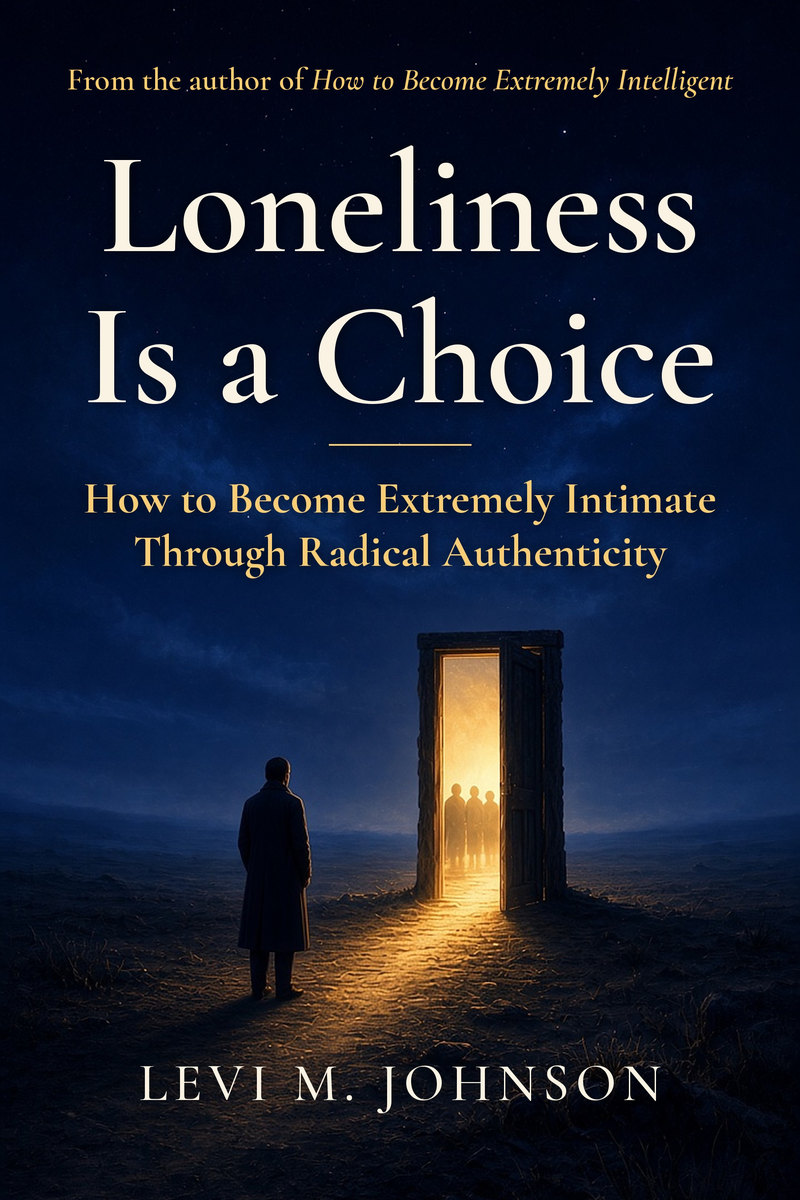
In Loneliness Is a Choice, Levi M. Johnson writes that “loneliness is partly emotional distance between you and other people.” Space offered at the wrong moment, however kindly meant, is emotional distance. What they asked for was the opposite: “I just want all the love.” Not some. Not a respectful amount. All of it.
Not knowing what healing means is not the same as not knowing what you need
The second post opens with an admission: “I don't really know what healing means, or whether grief ever ends.”
A lot of people would hear that as the opposite of wisdom. If you don’t know what healing is, or whether grief ends, how could you know anything useful about it?
But the very next sentence keeps the two apart: “something that's useful about 22 years of living with it is that you learn what you need when you're hurting.”
One is a question about the destination. The other is a question about tonight. Twenty-two years haven’t answered the first, and they don’t pretend otherwise. They have answered the second, clearly enough that it could be said out loud in the middle of a dissociation.
It’s easy to assume you have to be healed, or at least further along, before you can trust what you need. This person’s twenty-two years say otherwise. The healing question can stay open for a lifetime, and the need question can still be answered in one sentence, on an ordinary evening.
And saying it is its own kind of strength. In Loneliness Is a Choice, Johnson describes a mismatch he and his wife discovered after they married. The culture she partly operated from held, implicitly, that asking people directly for help is bothering them. His own way of operating held this:
Asking people directly for what I want is a respectful, maximally efficient way to relate and is good.
When someone says exactly what they need, the person who loves them doesn’t have to guess. The wife that night didn’t have to weigh space against closeness, or wonder whether staying near would be too much. She was told. All she had to do was love.
“I think that's a useful lesson from grief.” It is. And it didn’t require grief to be over first.
Neighboring pages here: Fine, fine, fine, NOT FINE: when grief comes and goes, I feel like a burden for asking my friends for so much help, and It’s the first birthday without him.
Going deeper
Loneliness Is a Choice is about the distance between people, and the honest words that close it. Johnson puts it simply:
If loneliness is a choice, so is intimacy.
And on why the small differences matter so much between people who love each other:
Authentic intimacy in a marriage, and even business or friendship, involves shades of meaning and, in some sense, distinctions.
The impulse to give space is not the same as love. Not knowing what healing means is not the same as not knowing what you need. Both distinctions were already in two short posts from someone who has carried a loss for twenty-two years.
If one distinction helped, the book goes further into speaking truth, asking directly, and the habits that turn closeness into intimacy: Amazon → · Buy the ebook with Bitcoin (Lightning) → · Browse the books →
This page is part of answered needs at FikaTimeBooks.com — real questions, real answers, no squeeze.
Trade your email for the Introduction and Chapter 1 of the book you choose.
You'll receive the Introduction and Chapter 1 of the book you choose, plus occasional emails from FikaTimeBooks.com. Unsubscribe anytime. We never share your email.
Also on loneliness: Fine, fine, fine, NOT FINE: when grief comes and goes · I feel like a burden for asking my friends for so much help · It's the first birthday without him · More in Loneliness: Granular Insights · More in Grief: Granular Insights