Home › Answered Needs › It would be lonely there because everyone is dead
It would be lonely there because everyone is dead
Seconds later her face drops and she says it would be lonely there because everyone is dead.
I wish I could do more.”
The post moves in three beats. A thank-you: “She came upstairs to thank me for the invitation.” A reason to leave: “in case any of her relatives called.” And then the moment the reason gives way: “Seconds later her face drops and she says it would be lonely there because everyone is dead.”
Then one line from the person who watched it happen: “I wish I could do more.”
Two things sit close together in that last line, and in the moment just before it. Telling them apart doesn’t make the heartbreak smaller. It shows what was already being done.
Doing more is not the same as undoing what happened
What would “more” be? Looked at closely, the more the heart wants is for the phone to ring. For the relatives to be alive to call. For the house she goes home to to hold the people who once kept it from being lonely.
No one can do that. Not a daughter, not anyone. That wish isn’t a task left unfinished. It’s grief, arriving in the shape of “I wish I could do more,” because the loss is bigger than anything a person can carry up a flight of stairs.
And what was done is in the post too: an invitation. Her mother climbed the stairs to say thank you for it. In a life where “everyone is dead,” that is not small. It is the proof that it isn’t everyone.
Lonely for the dead is not the same as alone
Her mother’s words were exact: it “would be lonely there.” There, at home, waiting for calls from people who won’t call. Her loneliness has names in it. It is for particular people: the relatives, the ones who used to call.
That kind of loneliness doesn’t mean no one is here. It means some people aren’t. Someone is upstairs, sending invitations, catching a face as it drops. The loneliness for the dead and the presence of the living are both real in the same moment, in the same doorway.
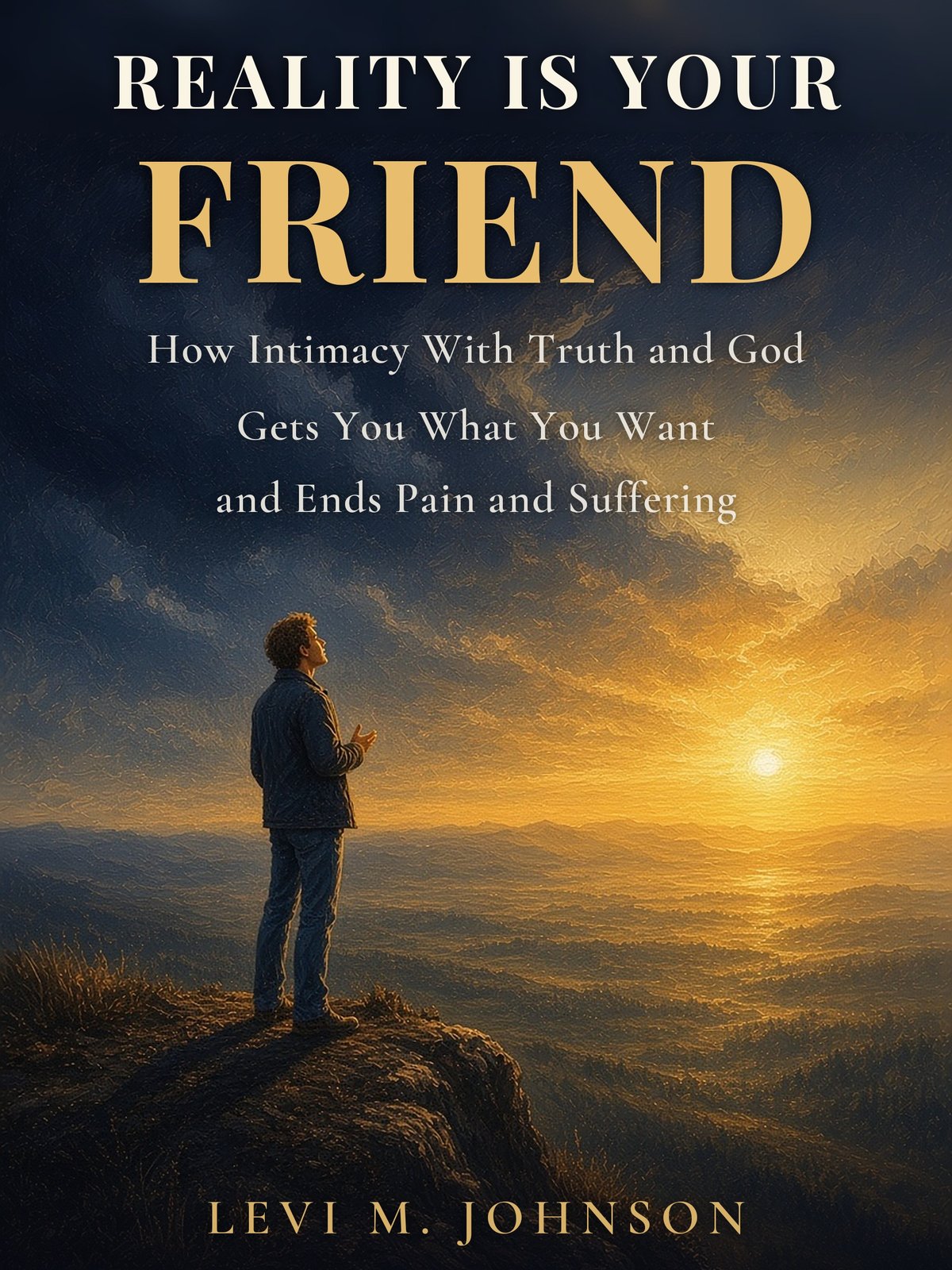
In Reality Is Your Friend, Levi M. Johnson writes about what reaches loneliness:
…feeling seen by one or more people in an authentic way is a breath of fresh air to lonely emotions and goes some distance to dispelling the narrative that, “I am alone.”
“Some distance” is honest. Being seen doesn’t bring the relatives back. It doesn’t have to, in order to matter. And seeing is exactly what happened here. The post caught the second her face dropped. It heard what she said and what it meant. “My heart breaks for my mother” is what being seen looks like from the other side.
The heartbreak is the right size for what happened. A mother remembered, in the middle of a thank-you, that the people she would wait by the phone for are gone, and her child watched it happen. “I wish I could do more” is what love says when it has already done what can be done.
Neighboring pages here: I don’t believe in heaven, but my mom did, Number one for caregiver burnout, and Exhausted and have no one to talk to.
Going deeper
Reality Is Your Friend, by Levi M. Johnson, is about facing what is real and finding that it frees rather than crushes. It doesn’t ask anyone to pretend loss away:
This is not to cheapen pain and suffering or to say some foolish thing like they don’t exist or people shouldn’t grieve or any such thing.
It also holds the passage above on loneliness: what numbs it for a night, and what meets it now and later.
Doing more is not the same as undoing what happened. Lonely for the dead is not the same as alone. Both distinctions were already in one post from someone whose heart breaks for their mother.
If one distinction helped, the book goes further into loss, loneliness, and what is most real: Reality Is Your Friend · Amazon → · Buy the ebook with Bitcoin (Lightning) → · Browse the books →
This page is part of answered needs at FikaTimeBooks.com — real questions, real answers, no squeeze.
Trade your email for the Introduction and Chapter 1 of the book you choose.
You'll receive the Introduction and Chapter 1 of the book you choose, plus occasional emails from FikaTimeBooks.com. Unsubscribe anytime. We never share your email.
Also on truth: I don’t believe in heaven, but my mom did · Number one for caregiver burnout · Exhausted and have no one to talk to · More in Truth: Granular Insights · More in Grief: Granular Insights