Home › Answered Needs › It’s very hard to make that decision to end the suffering, and even harder to live with it
It’s very hard to make that decision to end the suffering, and even harder to live with it
Two sentences, and a name in parentheses. Seven months. A best friend. And then, so there is no mistaking who that friend was: Ted, a standard poodle.
They wrote it while quoting someone else’s post, one that said only “Dogs know.” above a screenshot of a stranger describing their dog’s last day: the dog nudging a toy toward its person, as if to say “here u can have this, I'll be fine.” Seven months on, a post like that was enough to bring Ted back to the surface.
The second sentence carries two weights, and it ranks them. Making the decision was “very hard.” Living with it after is “even harder.” If you searched for how to live with the decision to put your dog down, this page is for you. Two pairs of things sit so close together in that sentence that they feel like one. They come apart.
Ending the suffering is not the same as causing the loss
The words they chose matter. Not a decision to end a life. “That decision to end the suffering.”
The suffering came first. Nobody chose it. Whatever was causing Ted to suffer was already there before anyone decided anything. The decision didn’t bring the suffering into the house. It answered something that had come on its own. What was chosen was that the suffering would end.
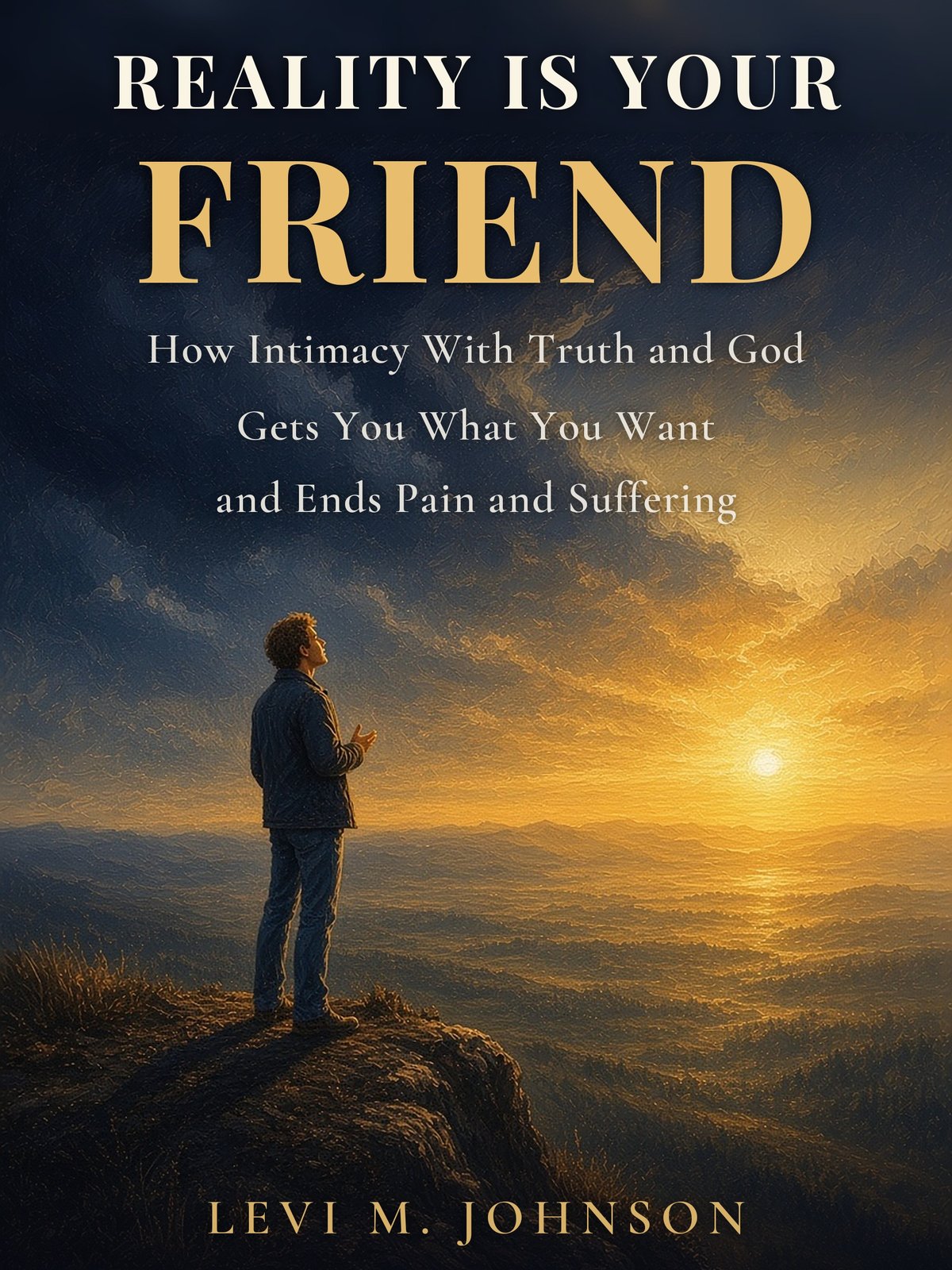
In Reality Is Your Friend, Levi M. Johnson writes about what pain is:
However, pain is not bad. Pain is reality’s signal that something isn’t right.
And a little further on, about how to listen to it:
But if we take pain as something that stands alone and observe it, and attempt to read it like we read a book or the expression of the face of a friend, it can give us information about how we need to change or what we need to continue doing.
He is writing there about our own pain. But “the expression of the face of a friend” is exactly what a person has to read when the friend is a dog who can’t say where it hurts. Someone looked at Ted’s face, the way only a best friend could, and understood what it was saying. The suffering was the signal. The decision was the answer to it.
That is part of why it was “very hard.” Not because it was cruel. Because the one who could read Ted best was the one who had to answer.
Hard to live with is not the same as wrong
Then the second weight: “even harder to live with the decision after.”
The post never says the decision was wrong. It never uses the word regret. It says hard, and then harder. Those are different words. A wrong decision is one that shouldn’t have been made. A hard one can be exactly right and still cost everything it costs.
To “live with the decision after” is to carry two things folded together. One is the missing: seven months without a best friend, an absence that would ache however the end had come. The other is the having-decided: knowing the day went through your own hands. The missing is grief. The having-decided is the weight of having been the one trusted with the choice. Pressed together, the second can start to feel like an accusation, when it is the part of love that had to put its own name on the hardest day.
Going back over a decision like that is what hearts do. In the same book, Levi draws a line between two ways of looking inward:
I’m not talking about a damaging, over-introspectiveness which leads to personal judging of our personal inadequacies. It is simply seeking to understand that which exists as our personal realities, and this requires a commitment to what is real along with self-compassion because our hearts will not talk to us about what our personal realities are if it feels it is going to be punished or judged.
A heart that is on trial goes quiet, or only repeats the charge. A heart that isn’t being judged can say what it actually holds: the friendship, the face, the reading of that face on the last day, and the love that made the reading possible. Going back over it is not always a prosecution. Sometimes it is the last thing done for Ted, still being done.
Seven months is not long for a best friend. It is short enough that a stranger’s post about a dog’s last day can bring the whole of it back.
Neighboring pages here: Thought I heard my cat, and grief hit me like a truck, Fine, fine, fine, NOT FINE: when grief comes and goes, and The valley of tears
Going deeper
Reality Is Your Friend, by Levi M. Johnson, is about facing what is real and finding it a friend rather than an enemy, including the parts of reality that hurt. One section is titled “No Friend is a Better Friend than Reality,” and in it he writes:
People come and go. Circumstances change. Life throws its curve balls. But reality is like a close brother, an intimate friend, a close ally in the battles inevitable in existence, in the journey of life.
Ending the suffering is not the same as causing the loss. Hard to live with is not the same as wrong. Both were already in two sentences someone wrote on Bluesky, seven months after losing a best friend named Ted.
If one distinction helped, the book goes further into facing what is real, including what hurts: Reality Is Your Friend · Amazon → · Buy the ebook with Bitcoin (Lightning) → · Browse the books →
This page is part of answered needs at FikaTimeBooks.com — real questions, real answers, no squeeze.
Trade your email for the Introduction and Chapter 1 of the book you choose.
You'll receive the Introduction and Chapter 1 of the book you choose, plus occasional emails from FikaTimeBooks.com. Unsubscribe anytime. We never share your email.
Also on truth: Thought I heard my cat, and grief hit me like a truck · Fine, fine, fine, NOT FINE: when grief comes and goes · The valley of tears · More in Truth: Granular Insights · More in Grief: Granular Insights